iMAPS 2026 Annual Symposium Highlights Progress in Microbial Resource Discovery
The iMAPS 2026 Annual Symposium convened in Qingdao this week, drawing more than 100 experts and scholars from universities, research institutes and industry for in-depth exchange on Ramanomics methodology and applications and on the path forward for the iMAPS (in-situ Metabolic Atlas Projects @ Single-cell, https://www.imaps.info).
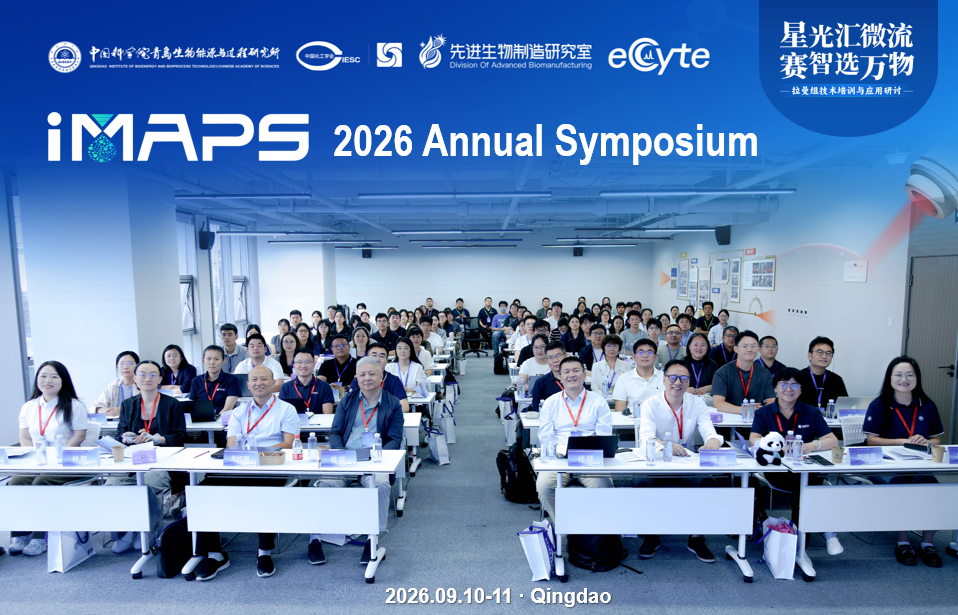
The Symposium was hosted by the Qingdao Institute of Bioenergy and Bioprocess Technology (QIBEBT), Chinese Academy of Sciences (CAS), and the Green Carbon Resources Utilization Committee, CIESC, and organized by QIBEBT’s Division of Advanced Biomanufacturing and eCyte, Inc.
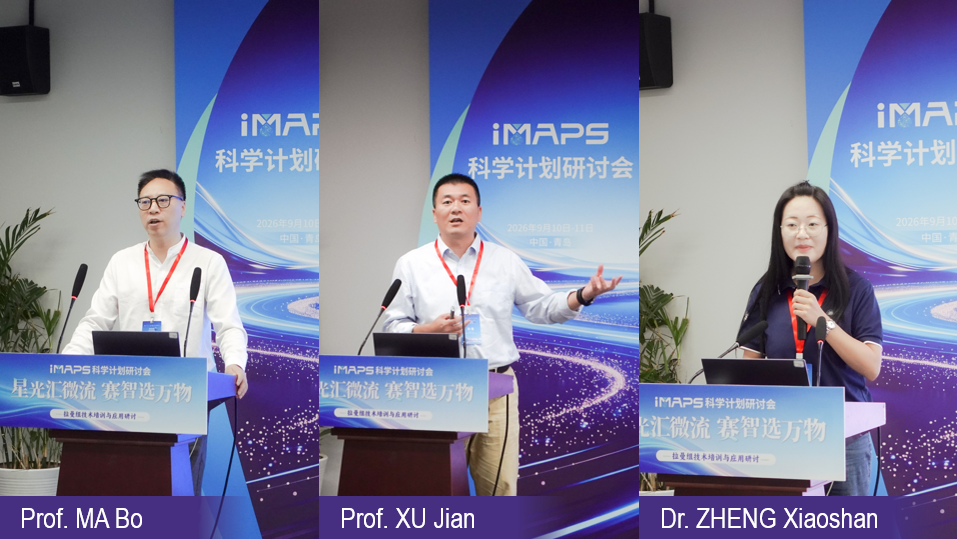
The opening ceremony was chaired by ZHENG Xiaoshan (Senior Engineer, QIBEBT). Prof. MA Bo (QIBEBT) welcomed attendees, pointing to common bottlenecks in resolving in situ microbial function and building functional strain libraries, and called for pooling academic, research and industrial strengths through iMAPS Consortium to drive a paradigm shift in microbial resource discovery. Prof. XU Jian (QIBEBT) gave an updated report on the program's status, challenges and next steps, and Prof. Zheng briefed attendees on the principles, technologies and instruments behind Ramanomics.
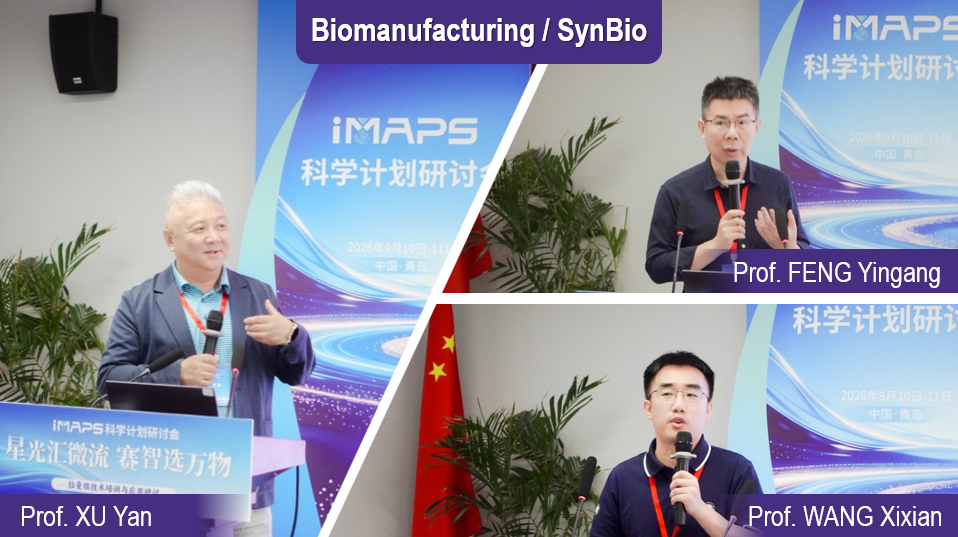
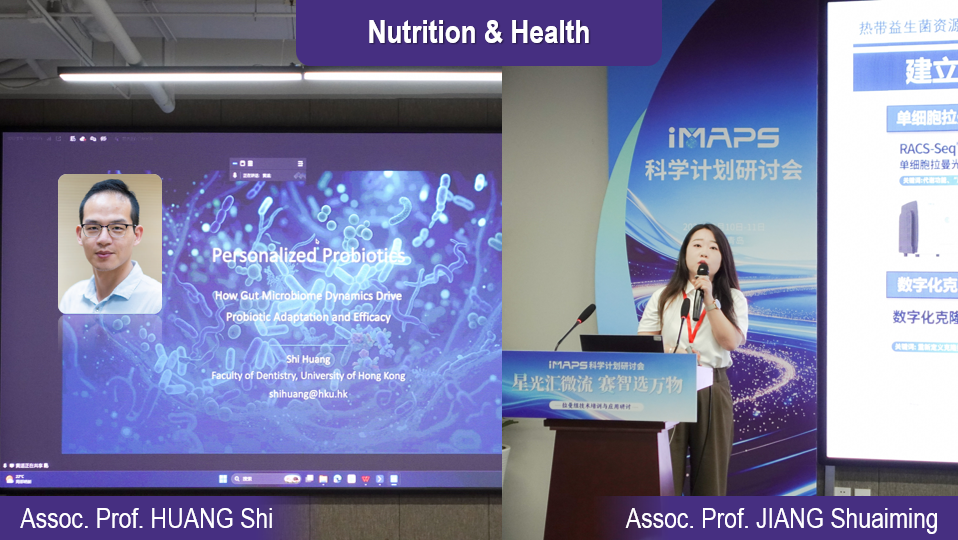
The symposium reviewed progress across four application areas. In the Biomanufacturing / SynBio session, Prof. XU Yan (Jiangnan University), Prof. FENG Yingang (QIBEBT) and Prof. WANG Xixian (QIBEBT) covered fermented-food microbiome regulation, high-DHA Schizochytrium breeding, and high-throughput screening of microbial consortia. In the Nutrition & Health session, Assoc. Prof. HUANG Shi (The University of Hong Kong) and Assoc. Prof. JIANG Shuaiming (Hainan University) addressed gut microbiome research and tropical probiotic development. In the Environment session, Prof. LIN Lu (Shandong University), Assoc. Prof. JIANG Cancan (Research Center for Eco-Environmental Sciences, CAS), Prof. LONG Hong'an (Ocean University of China) and Dr. WANG Yue (eCyte, Inc) presented on lignocellulose-degrading microbe isolation, denitrifying microorganism identification, protozoan live-feed screening, and environmental functional microbe discovery. In the Agriculture session, Prof. JIA Zhongjun (Northeast Institute of Geography and Agroecology, CAS), ZHANG Daoshun (Institute of Agricultural Resources and Regional Planning, Chinese Academy of Agricultural Sciences, Chinese Academy of Agricultural Sciences) and ZHU Pengfei (eCyte, Inc) covered black-soil biological health, single-cell Raman identification of agricultural germplasm, and an AI-enabled soil microecosystem solution.
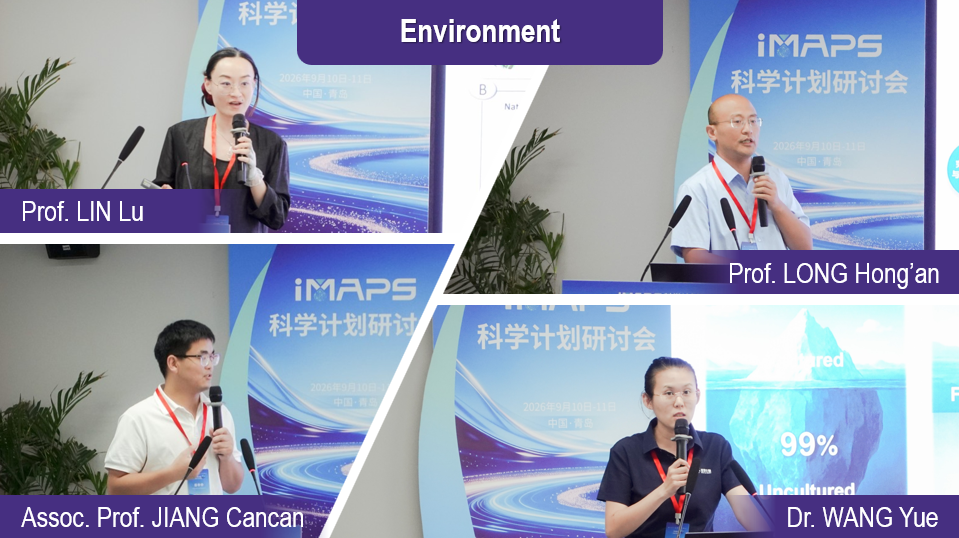
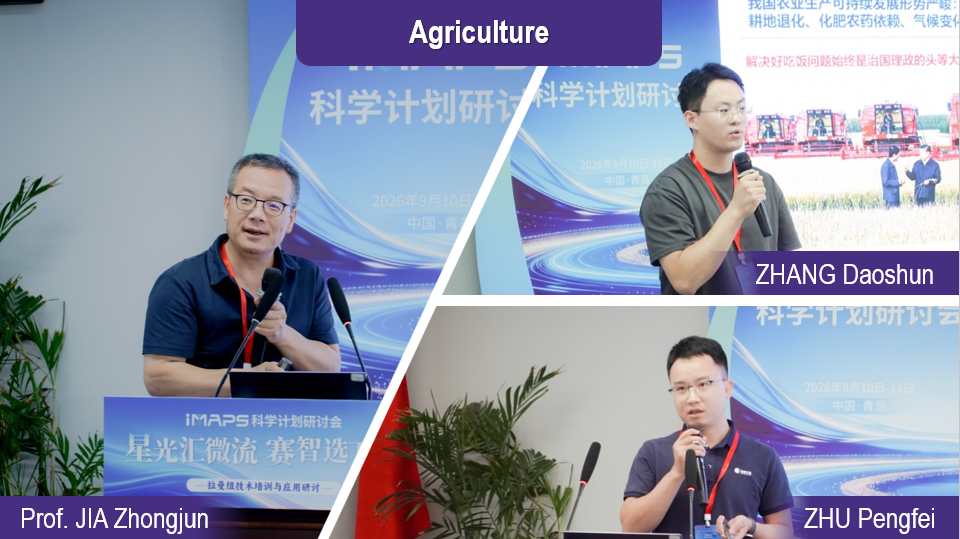
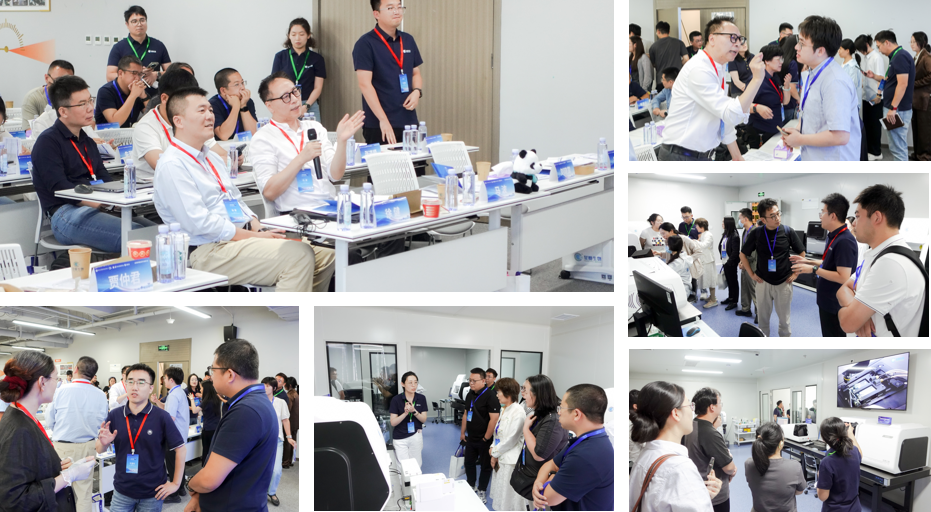
A roundtable brought participants together to discuss iMAPS’s stage-wise goals, team division of labor, technical standardization, data sharing and industry-academia-research collaboration. On September 11, participants took part in one-on-one, hands-on instrument operation and data-analysis sessions across a range of sample types, guided by both instrument developers and application specialists — extending the reach of the iMAPS global collaborative network.
Led by QIBEBT with more than 100 partner institutions worldwide, iMAPS is building a globally distributed, sustainably operated microbiome infrastructure network combining "metabolic sensors + strain miners + ecological restorers". Anchored in Ramanomics, its core technology platform, the initiative aims to move microbiome research beyond sequence-based prediction toward direct, single-cell-resolution measurement of in situ metabolic function, with applications spanning biomanufacturing, health, environment and agriculture.(Text by LIU Yang)